EveryEvent Madrid

Browse All Events

Find every event in Madrid

events

Concerts & Live Music
Festivals
Sports & Recreation
Food & Drink
Arts & Culture
Community
Family & Kids
Nightlife
Comedy
Theater
Popular Destinations
BaliSedonaLos AngelesCosta RicaNew YorkSan FranciscoAustinMiamiJoshua TreeTulum
View All CategoriesView All Destinations

Explore All Features

Powerful tools to grow your events

Platform Features

Smart Dynamic Pricing
Ticket Categories
Assigned Seating
Abandoned Cart Recovery
Visitor Recovery
Donations & Sliding Scale
Affiliate Engine
Ticket Scanner
Coupon Codes
Custom Questions
Ticket Sharing
Upsells & Add-ons
Analytics & Reporting
Email Sequences
Waitlist / Notify / Remind
Explore
Discovery HubArtists & PerformersVenuesKnowledge Base
View All FeaturesAbout Us
PricingBlog
Language
Saved events
Browse All Events

events

Concerts & Live MusicFestivalsSports & RecreationFood & DrinkArts & CultureCommunityFamily & KidsNightlife

Popular Destinations

BaliSedonaLos AngelesCosta RicaNew YorkSan Francisco

Explore

Discovery HubArtists & PerformersVenuesKnowledge Base

Platform Features

Smart Dynamic PricingTicket CategoriesAssigned SeatingAbandoned Cart RecoveryVisitor RecoveryDonations & Sliding ScaleAffiliate EngineTicket ScannerCoupon CodesCustom QuestionsTicket SharingUpsells & Add-onsAnalytics & ReportingEmail SequencesWaitlist / Notify / Remind
View All FeaturesAbout Us
PricingBlog
Log inSign UpEvent Organizers
  • Browse All Events
  • Concerts & Live Music
  • Festivals
  • Sports & Recreation
  • Food & Drink
  • Arts & Culture
  • Community
  • Family & Kids
  • Nightlife
  • All Categories →
  • All Destinations →
  • For Promoters
  • For Artists
  • For Venues
  • For Festivals
  • For Event Spaces
  • For Nonprofits
  • For Bloggers
  • For Speakers
  • Brand Ambassador
  • Case Studies
  • 350K+ Buyer Network
  • Abandoned Cart Recovery
  • Smart Dynamic Pricing
  • Ticket Categories
  • Recurring Events
  • Assigned Seating
  • Affiliate Engine
  • Waitlist / Notify
  • Ticket Scanner
  • Embed Widget
  • Event Syndication
  • Message Center
  • Integrations
  • Reports
  • All Features →
  • About
  • The Ecosystem
  • Blog
  • Glossary
  • Inspiration
  • Help Center
  • Contact
  • API Docs
  • Brand Assets
  • Careers
  • Press
  • Terms of Service
  • Privacy Policy

Events

  • Browse All Events
  • Concerts & Live Music
  • Festivals
  • Sports & Recreation
  • Food & Drink
  • Arts & Culture
  • Community
  • Family & Kids
  • Nightlife
  • All Categories →

Getaways

  • All Destinations →

For Organizers

  • For Promoters
  • For Artists
  • For Venues
  • For Festivals
  • For Event Spaces
  • For Nonprofits
  • For Bloggers
  • For Speakers
  • Brand Ambassador
  • Case Studies

Features

  • 350K+ Buyer Network
  • Abandoned Cart Recovery
  • Smart Dynamic Pricing
  • Ticket Categories
  • Recurring Events
  • Assigned Seating
  • Affiliate Engine
  • Waitlist / Notify
  • Ticket Scanner
  • Embed Widget
  • Event Syndication
  • Message Center
  • Integrations
  • Reports
  • All Features →

Company

  • About
  • The Ecosystem
  • Blog
  • Glossary
  • Inspiration
  • Help Center
  • Contact
  • API Docs
  • Brand Assets
  • Careers
  • Press
  • Terms of Service
  • Privacy Policy
EveryEvent
© 2026 EveryEvent Madrid. All rights reserved.
Inspiration

Mycototes: Mobile MushroomCultivation for Mycoremediation

Paul Stamets
Paul Stamets
Dec 12, 2013
6 min read
Watch · 8

TL;DR: Paul Stamets presents mycototes, a practical advancement in mycoremediation that uses modified fruit and seafood totes as low-tech cultivation vessels for garden giant mushrooms. The system can scale from 10 to 100 times the initial substrate mass in two expansion steps, enabling both microfiltration of contaminated water (particularly E. coli) and simultaneous food production. Using untreated wood chips and no chemical sterilization, mycototes produce exceptionally large, edible mushrooms that become resident in ecosystems for years while serving dual purposes of environmental remediation and nutritional yield.

Read · 8 sections

What are mycototes and how do they work?

Mycototes are modified shipping containers—specifically broken or cracked seafood and fruit totes—repurposed as mobile mushroom cultivation structures. Stamets and his team deliberately source compromised containers because the leakage properties are essential to the system's function. The totes are filled with untreated wood chips inoculated with garden giant mushroom mycelium. Unlike conventional sterilized cultivation methods, this approach uses raw substrate without chemical treatment, making it accessible for deployment in resource-limited settings worldwide. The low-tech design is intentional: mycototes require no specialized equipment or laboratory conditions, only basic containers and wood chips, allowing for rapid implementation across diverse environments.

How does the expansion process scale mycototes from 10 to 100?

The system employs a two-step expansion protocol. In the first step, a single mycotote expands by tenfold—one unit becomes ten units. In the second step, each of those ten units expands tenfold again, reaching one hundred units total. This scalability makes mycototes particularly valuable for large-scale remediation projects. A single mycotote with 5 pounds of mycelium can yield approximately 1 pound of mushrooms; when scaled to 500 pounds of substrate, the system produces up to 100 pounds of harvestable mushrooms. This exponential scaling allows a small initial investment in fungal inoculum to rapidly cover contaminated sites or support distributed food production networks. The expansion occurs naturally as the mycelium colonizes fresh substrate, requiring no technological intervention beyond sequential planting.

Why are garden giant mushrooms ideal for mycototes?

The garden giant variety is exceptionally suited to this system for several reasons. First, it demonstrates superior efficacy at microfiltration and E. coli capture compared to other cultivated species. Second, these mushrooms grow to unusually large sizes—Stamets describes them as "Godzilla mushrooms"—which serves multiple functions. The size is a direct reflection of the mushroom's ability to digest and utilize nutrients from the substrate. Larger fruiting bodies indicate robust mycelial networks that have thoroughly colonized and processed the growing medium. This nutritional vigor translates to culinary quality: when sliced thin and sautéed, garden giant mushrooms offer superior flavor and texture compared to smaller specimens. The size advantage extends the visual and gustatory appeal of the crop, making the food production dimension of mycototes commercially viable alongside the remediation function.

How do mycototes clean contaminated water through microfiltration?

The microfiltration capacity of mycototes leverages the mycelial network's ability to break down and sequester contaminants. The leaking tote design is crucial: water percolates through the wood chip substrate, where mycelium actively filters pathogens and organic contaminants. Stamets notes that E. coli microfiltration is one of the primary applications, making this system relevant for treating wastewater, agricultural runoff, or contaminated groundwater. The mushrooms produced in this process are "clean" with an important caveat: if heavy metals are present in the substrate, they accumulate in the fruiting bodies and render them inedible. This distinction is critical for practitioners—the mycototes can serve remediation purposes even when food production is not the goal, but dual-use (remediation plus edible harvest) requires substrate that is free of bioaccumulative toxins.

What are the advantages of using untreated wood chips in mycototes?

Conventional mushroom cultivation often relies on sterilized substrate to eliminate competing organisms and ensure predictable yields. Mycototes eliminate this costly and energy-intensive step by using raw, untreated wood chips. This choice reflects both practical and ecological wisdom. The untreated chips harbor naturally occurring bacteria and microorganisms that coexist with the mycelium in a stable, productive relationship. Without sterilization, there is no need for autoclaves, pressure cookers, or chemical treatments, removing barriers to adoption in remote, low-resource, or rapidly deployable contexts. The mycelium of the garden giant is sufficiently competitive that it colonizes untreated substrate efficiently. This simplification makes mycototes suitable for community-based projects, disaster response, and global implementation without requiring specialized infrastructure or training in sterile technique.

How do mycototes function as a dual-purpose system for remediation and food production?

The elegant design of mycototes is that they need not choose between remediation and food production—they serve both simultaneously. A single mycotote system breaks down contaminants (particularly E. coli and hydrocarbons) while simultaneously fruiting into edible mushrooms. This duality transforms remediation from a remedial, costly activity into one with economic return. The mushrooms become "resident in the ecosystem for many years after planting," meaning their presence continues to drive ecological function long after initial deployment. Once the fruiting phase concludes, the spent substrate itself becomes a soil amendment, enriched by mycelial activity and ready to support plant growth. Communities implementing mycototes thus gain food security, water quality improvement, and soil restoration from a single intervention—a multiplier effect rarely achieved by conventional remediation technologies.

Why does mushroom size matter in cultivation and culinary quality?

Stamets emphasizes that "the art of mushroom cultivation" resides in producing large, immature fruiting bodies. Larger mushrooms, when harvested while still young, offer superior culinary properties. The flesh becomes more substantial when cut thin for sautéing, developing better texture and flavor complexity. Size is not merely aesthetic; it reflects the substrate's nutritional density and the mycelium's digestive capacity. A larger fruiting body indicates the fungus has accessed and transformed more nutrient matter from the growing medium. This is why the 500-pound mycotote yields markedly larger specimens than smaller systems—there is simply more food available for the mushroom to draw upon. From a market perspective, larger mushrooms command higher prices, making the size advantage economically significant for food-production-oriented mycotote operations.

Where to go from here

The mycotote system represents a convergence of applied mycology and environmental remediation that invites multiple pathways for engagement. Practitioners interested in water quality can pilot mycototes in agricultural or industrial contexts where E. coli or hydrocarbon contamination is a concern. Communities focused on food security can explore the food production potential, particularly in regions where conventional agriculture is constrained by land availability or soil degradation. Researchers can investigate adaptations of the mycotote design for other contaminants beyond E. coli—heavy metals, pharmaceutical residues, and persistent organic pollutants. Policy makers and NGOs working on sustainable development can examine how mycototes address multiple UN Sustainable Development Goals simultaneously: clean water, food security, climate action, and land restoration. The low barrier to entry means that even small-scale pilots can generate compelling data on efficacy and yield, paving the way for larger deployments. The mycotote is not a finished technology but a platform—one that invites customization, iteration, and integration into existing agricultural, wastewater, and ecological restoration workflows.
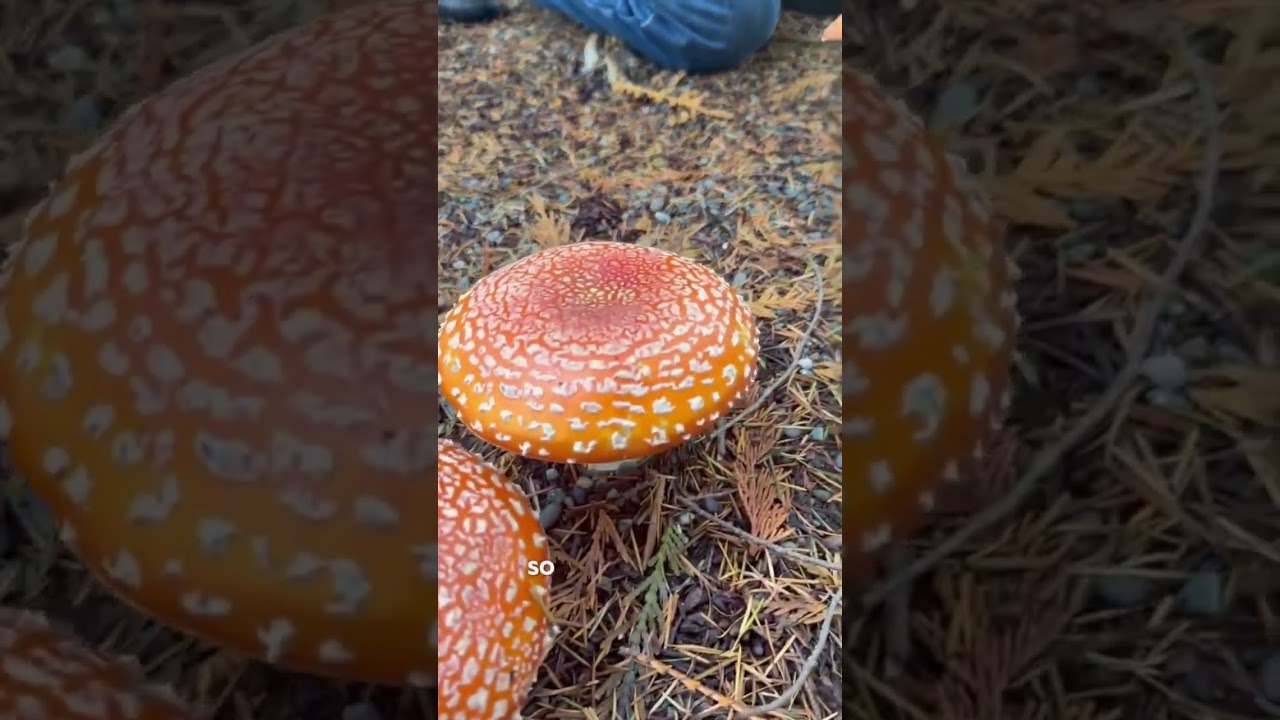
Transcript

[0:05] we've been working on microfiltration

[0:07] for about 20 years and um it's been an

[0:10] evolutionary process but we have come to

[0:13] this uh this uh delivery system which we

[0:16] think works really well these are

[0:18] basically seafood or fruit uh totes um

[0:22] and we get ones that are broken or

[0:23] cracked because we do want them to leak

[0:25] and we put the garden giant mushroom uh

[0:28] in here this is one that is

[0:29] exceptionally good that and

[0:31] microfiltration of eoli these totes can

[0:33] be expanded um by up to 100 times in two

[0:37] steps uh one to 10 10 to 100 and we have

[0:40] to call them but this allows for a

[0:43] Mobility uh of micromass for

[0:46] microfiltration and I think it could be

[0:49] put into implementation all over the

[0:50] world there a very much low Tech method

[0:53] these wood chips are not sterilized they

[0:55] are not treated with any chemicals it's

[0:58] a unique uh process that we've come up

[1:00] with and it's known as the garden giant

[1:01] for obviously these really magnificent

[1:04] mushrooms that they produce which are

[1:06] edible in choice at this stage and these

[1:08] are a little bit past their Prime these

[1:10] mushrooms will become resident in the

[1:12] ecosystem for many years after planting

[1:15] so the garden giant mot toes could

[1:17] essentially just be used for food

[1:19] production we typically get about one

[1:21] pound of mushrooms for 5 pounds of

[1:23] melium but here we have 500 pounds of

[1:27] melum so extensively we can get up to

[1:29] 100 pounds of mushrooms but what is

[1:31] uniquely different is that these

[1:33] mushrooms are gargantuous Godzilla

[1:35] mushrooms they're huge uh and that's a

[1:38] testimonial to their nutrition their

[1:40] ability to digest the nutrients and the

[1:42] larger the substrate from which they

[1:44] spring the larger the mushrooms uh so

[1:46] these are in perfect condition and this

[1:49] flesh here when you cut this thin and

[1:51] sauté it it is just U absolutely

[1:54] delicious so these are young mushrooms

[1:57] but they're large and that is the art uh

[2:00] of mushroom cultivation The Culinary

[2:03] aspects vastly improve if you can get

[2:05] larger mushrooms but immature like this

Paul Stamets
AuthorPaul Stamets

Mycologist and advocate who has dedicated his life to studying mushrooms and their transformative potential to heal people and restore the planet through medicine, agriculture, and…

View profileWebsite
Explore Topics
MycoremediationMushroom-cultivationMycototesFood-productionWater-remediation

Got Questions?

Frequently Asked Questions

Mycototes are modified fruit or seafood shipping totes—specifically broken or cracked containers that naturally leak—used as low-tech mushroom cultivation vessels. They are filled with untreated wood chips inoculated with garden giant mushroom mycelium, designed to serve dual purposes of water remediation and food production without requiring sterilization or chemicals.
Water percolates through the wood chip substrate colonized by mycelium, which actively filters out pathogens and organic contaminants. The system is particularly effective at capturing E. coli and breaking down hydrocarbons. The leaking tote design is essential to enable this microfiltration process.
Yes, mushrooms from mycototes are generally clean and edible. However, if heavy metals or bioaccumulative toxins are present in the substrate, they will concentrate in the fruiting bodies and render them inedible. Substrate quality determines whether the mushrooms are safe for consumption.
Mycototes can expand by up to 100 times in two steps: first from one unit to ten, then from ten to one hundred. A single mycotote with 5 pounds of mycelium typically yields 1 pound of mushrooms, but scaled to 500 pounds of substrate, it can produce up to 100 pounds of harvestable mushrooms.
Garden giant mushrooms are exceptionally large, highly nutritious, and demonstrate superior efficacy at microfiltration and E. coli capture. Their size reflects their ability to digest nutrients and indicates culinary quality—when sliced thin and sautéed, they offer superior flavor and texture compared to smaller varieties.
No. Mycototes use raw, untreated wood chips without sterilization or chemical treatment. This low-tech approach eliminates the need for expensive equipment and makes the system accessible for deployment worldwide, even in resource-limited settings where conventional sterilization infrastructure may not be available.
After the fruiting phase concludes, the mushrooms "become resident in the ecosystem for many years," meaning they continue to drive ecological function and contribute to soil health long after initial deployment. The spent substrate itself becomes a valuable soil amendment enriched by mycelial activity.

Continue Reading

More from Paul

View All
Amanita Muscaria: History, Identification & Safety of Fly Agaric
Featured

Amanita Muscaria: History, Identification & Safety of Fly Agaric

Amanita muscaria, the fly agaric, has ancient roots in pest control and cultural mythology. Despite its striking beauty, this mushroom poses…

1 min read
Lactarius Deliciosus: Identifying & Foraging the Saffron Cap
Featured

Lactarius Deliciosus: Identifying & Foraging the Saffron Cap

The saffron milk cap (Lactarius deliciosus) is an easy-to-identify edible mushroom with striking green staining and orange milk. Learn how t…

1 min read
How Sitting Still Proves You're Already Awakening
Featured

How Sitting Still Proves You're Already Awakening

Most people can't sit quietly without discomfort, but if you can, you're already further along spiritually than you realize. Eckhart Tolle e…

1 min read
The Missing Piece: How Real Thinking Creates Real Results
Featured

The Missing Piece: How Real Thinking Creates Real Results

Most vision boards fail because people skip the actual thinking. Eckhart Tolle reveals the rhythm that unlocks insight and the two distinct …

1 min read

Keep exploring

Continue your journey

More wisdom and gatherings from across the BrightStar directory.

More Articles

Browse the full library of teachings, interviews, and guides.

Back to all articles →

Teachers & Artists

Explore the lineages, musicians, and guides of the conscious world.

Explore artists →

Find an Event

Kirtan, retreats, sound baths, breathwork, festivals — happening soon.

Browse events →